
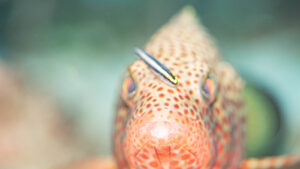
 The animals living in the ocean need to keep some sort of cleaning routine. I am not talking about soap, water etc., but if you have observed keenly on the reef, you would see on the coral heads, in anemones, etc., there are small fish and shrimps (gobies, wrasses, Peterson cleaner shrimps, spotted cleaner shrimps, etc.). These animals often times get visitors from extremely big and small life, all wanting a “clean”.
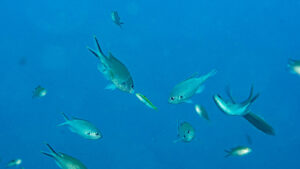 Fish and other creatures get cleaned to remove parasites, some so small that they can hardly be seen. Such parasites are isopods and copepods. When an animal wants a clean, from small juvenile fish to manta rays, sharks etc., they approach the area and stays stationary, like they entered a trance like state to attract the cleaners to come onto them and begin picking and nipping off the the pests. During these cleans, the cleaners also remove dead and injured skin and mucous.
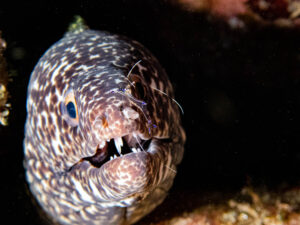 The animal getting cleaned, also opens their mouths to allow for these shrimps and fish to clean their teeth! Predatory fish who feed on fish do not eat these cleaners, such as sharks, barracudas groupers, as the fish are helping them. In their mouths, the cleaners remove left over foods etc, just like a dentist would. What would these fish get out of cleaning larger or other animals? A free meal! That’s right, this type of behavior is one where both the cleaner and the one being cleaned benefits. While the cleaner fish or creature gets a free meal, the animal getting cleaned gets free from parasites and any form of unmentionables attached to them. This type of relationship in the ocean is a symbiotic relationship called mutualism.